When a tooth is lost, it’s tempting to think of it as just a gap, especially if it’s a molar in the back of your mouth. You might decide to just live with it. But that single empty space sets off a chain reaction that can compromise your entire smile. The event of a tooth falling out is the start of a domino effect. Your other teeth begin to shift, your bite becomes unbalanced, and the jawbone underneath starts to shrink away. What begins as one problem can lead to many more. Understanding these hidden dangers is the first step toward realizing why replacing a missing tooth isn't just about looks; it's about preserving your health.
Losing a tooth as an adult can be unsettling, but it’s almost always a sign of an underlying issue that has been developing for some time. Unlike baby teeth, your permanent teeth are meant to last a lifetime. When one falls out, it’s your body’s way of sending a serious signal that your oral health needs attention. Understanding the root cause is the first step toward restoring your smile and preventing future problems. It's not something to feel ashamed about; it's a health issue that needs care, just like any other. The reasons can range from severe decay and advanced gum disease to physical trauma or even chronic teeth grinding. Sometimes, underlying health conditions and lifestyle choices can also play a significant role.
It’s a common misconception that a tooth can just suddenly rot and fall out. In reality, this happens after a long period of untreated decay. A cavity starts small, but if left alone, the decay eats away at the tooth’s structure from the inside out. Over time, the tooth becomes so hollowed out and weak that it can no longer withstand normal biting pressure. It might crumble, break off at the gumline, or fall out entirely. This level of decay is a serious oral health problem, but it doesn't have to be the end of your smile. A full-mouth reconstruction can address widespread damage and give you a healthy, functional set of teeth again.
Your teeth need a strong foundation, and that foundation is your gums and jawbone. Gum disease, also known as periodontitis, is a leading cause of tooth loss in adults precisely because it attacks this support system. It begins when plaque buildup causes your gums to become inflamed and pull away from your teeth, creating small pockets. Bacteria thrive in these pockets, leading to an infection that destroys the ligaments and bone that hold your teeth in place. As the disease progresses, your teeth can become loose and may eventually fall out. The process is often gradual and painless in its early stages, which is why it’s so important to catch it early.
A sudden impact is one of the most jarring ways to lose a tooth. A sports injury, a car accident, or even a simple fall can exert enough force to knock a tooth out completely. In these cases, the health of the tooth itself isn't the problem; the issue is the external trauma. However, sometimes an injury can be the final straw for a tooth that was already weak. If a tooth has significant decay or is compromised by gum disease, even a minor bump or biting down on something hard could cause it to break or fall out. No matter the cause, treating a lost tooth from an injury as a dental emergency is critical.
Do you wake up with a sore jaw or a dull headache? You might be grinding your teeth at night, a condition called bruxism. This habit puts an incredible amount of pressure on your teeth, far more than regular chewing. Over time, this constant force can cause the enamel to wear down, lead to cracks and chips, and damage the underlying bone structure. This sustained stress can loosen teeth and eventually lead to tooth loss. Because it often happens during sleep, many people are unaware they’re doing it until a dentist points out the telltale signs. A custom nightguard can protect your teeth from the damaging effects of grinding.
Your oral health is directly connected to your overall health. Certain chronic conditions can significantly increase your risk of tooth loss. People with diabetes, for example, are more prone to infections like gum disease. Similarly, conditions that cause widespread inflammation, such as rheumatoid arthritis and heart disease, can also impact the health of your gums and jawbone. Lifestyle choices play a huge role, too. According to the CDC, smoking is a major risk factor because it weakens your immune system and impairs blood flow to the gums, making it harder for tissues to heal. Addressing these factors is a key part of creating a lasting solution, like replacing a missing tooth with a dental implant.
Seeing a tooth fall out of your mouth is a genuinely jarring experience. Whether it was knocked out during a sports game or finally gave way due to decay, your first instinct might be to panic. Take a deep breath. While it’s certainly an alarming event, what you do in the next hour can make a significant difference in the outcome for your smile. Acting quickly and correctly can sometimes mean the difference between saving and losing the tooth for good. Even if the tooth cannot be re-implanted, getting immediate professional care is crucial to prevent infection, manage pain, and protect your overall oral health.
Ignoring a lost tooth is never a good idea. The empty space isn't just a cosmetic issue; it sets off a chain reaction. Neighboring teeth can begin to drift into the gap, disrupting your bite and alignment. More importantly, the jawbone in that area, no longer stimulated by a tooth root, will begin to shrink and deteriorate. This bone loss can alter your facial structure over time and make future tooth replacement more complex. That's why your immediate response is so important. By following a few key steps, you can manage the situation safely and set yourself up for the best possible solution, whether that's re-implanting the original tooth or exploring a permanent replacement like a dental implant. Here’s your immediate action plan to take control of the situation.
Before you do anything else, your first and most important step is to call a dentist. It’s easy to feel overwhelmed, but time is of the essence. The sooner you can be seen, the better the chances are of saving the tooth or preventing further complications. Explain what happened clearly to the person on the phone. Even if the tooth fell out due to decay and can't be re-implanted, the empty socket needs professional attention to be cleaned and evaluated. Don't wait to see what happens. Contact our office right away so we can prepare for your arrival and give you specific guidance over the phone.
If you have the tooth, handle it with extreme care. Your goal is to avoid causing any damage to the root, which is covered in delicate ligaments essential for reattachment. Be sure to pick the tooth up by the crown, the white, visible part you chew with. Do not touch the root under any circumstances. If the tooth is dirty, you can gently rinse it with water or milk for a few seconds. Do not use any soap, scrub it, or wrap it in a tissue or cloth. These actions can damage the sensitive root surface and make it impossible for us to save.
Keeping the tooth viable is critical if there's any chance of re-implantation. If you can, try to gently place it back into the empty socket. Hold it in place by biting down softly on a clean piece of gauze or cloth. If you can’t get it back into the socket, you need to keep it moist. The best way to do this is by placing it in a small container of milk. If you don’t have milk, you can place it between your cheek and gum (do not swallow it). This helps preserve the living cells on the root surface, giving your dentist the best chance to successfully re-implant it.
It’s normal for the empty socket to bleed. To manage this, gently rinse your mouth with warm salt water (about half a teaspoon of salt in a glass of water). This will help clean the area and soothe the tissue. After rinsing, take a clean piece of gauze or a moistened tea bag and place it over the socket. Apply firm, gentle pressure by biting down. This should help the bleeding slow down and stop within about 15 to 20 minutes. Avoid poking the area with your tongue or fingers, as this can dislodge any clot that is forming and delay healing.
Every minute counts after a tooth is lost. The primary reason for urgency is to preserve the health of your jawbone and surrounding teeth. When a tooth is missing, the adjacent teeth can begin to shift into the empty space, which can throw off your bite and lead to further dental problems. More significantly, the lack of a tooth root means the jawbone is no longer stimulated in that spot, causing it to deteriorate. This bone loss can complicate future treatments. Acting quickly ensures we can address the immediate issue and create a plan for a permanent solution, like a full-mouth reconstruction, which can prevent these issues and keep your smile healthy.
It’s easy to think of a missing tooth as just a gap, especially if it’s in the back of your mouth where no one can see it. But putting off a replacement is one of the biggest mistakes you can make for your long-term oral health. Ignoring that space sets off a chain reaction of dental problems that are much harder, and more expensive, to fix down the road. Your teeth work together as a team, and when one is gone, the entire system is thrown off balance.
This isn't just a possibility; it's a well-documented process. The moment a tooth is lost, a domino effect begins. According to experts at the Cleveland Clinic, this can lead to a cascade of other issues, including bone loss in your jaw, shifting teeth, and even the loss of more teeth. What starts as a single missing tooth can eventually compromise your entire smile and facial structure. Understanding what happens when you don't replace a tooth is the first step toward protecting your health and deciding on the right cosmetic dentistry solution for you.
Your teeth are held securely in place because they support each other. When a tooth is lost, the neighboring teeth lose that support and naturally start to drift into the empty space. This movement can cause your once-straight teeth to become crooked or create new, awkward gaps. It’s not just an aesthetic issue; this shifting also changes the way your top and bottom teeth fit together, which is known as your bite.
An unbalanced bite puts extra pressure on your remaining teeth when you chew. This added stress can lead to premature wear, cracks, and even jaw pain. Over time, this domino effect can make your other teeth more vulnerable to damage and increase the risk of losing them, too. Addressing the gap promptly can prevent this shift and help you avoid the need for more complex treatments like a full-mouth reconstruction later on.
One of the most serious consequences of a missing tooth happens below the gumline. Your tooth roots play a vital role in stimulating your jawbone, signaling to your body to maintain its density and strength. When a tooth and its root are gone, that stimulation disappears. Without this job to do, the jawbone in that area begins to shrink and deteriorate in a process called bone atrophy.
This bone loss can weaken the foundation for the surrounding teeth, making them less stable and more prone to falling out. It also creates a sunken look in your jaw and can complicate future tooth replacement procedures. Fortunately, you can halt bone loss with a dental implant, which acts as an artificial tooth root and provides the stimulation your jawbone needs to stay healthy and strong for years to come.
The combination of shifting teeth and jawbone loss can significantly alter your appearance. As your teeth drift, your bite becomes misaligned, which can make chewing uncomfortable or even painful. This imbalance can also strain your jaw joints, leading to headaches and TMJ (temporomandibular joint) disorders. A poorly aligned bite can make it difficult to eat the nutritious foods your body needs, like crunchy fruits and vegetables.
Aesthetically, the loss of bone can cause the lower part of your face to sag or appear collapsed, making you look older than you are. Your lips can also lose support, changing the shape of your smile. These changes happen gradually, but they can have a major impact on your facial profile. A smile makeover can address these concerns by restoring not just your teeth, but the underlying support for your facial features.
The effects of a missing tooth go far beyond your oral health. When you have trouble chewing, you might start avoiding certain foods, which can lead to nutritional deficiencies. The impact on your quality of life is significant, as a gap in your smile can make you feel self-conscious, causing you to hide your smile or avoid social situations. For some, a missing tooth can even affect speech, causing a slight lisp or whistle when you talk.
Feeling good about your smile is directly linked to your confidence and overall well-being. You deserve to laugh freely and eat your favorite foods without a second thought. Seeing the transformations in our smile gallery shows just how much of an impact restoring a complete, healthy smile can have. It’s about more than just a tooth; it’s about reclaiming your confidence.
Losing a tooth can feel overwhelming, but the good news is that modern dentistry offers several fantastic ways to restore your smile, function, and confidence. You don't have to live with a gap in your teeth. The right solution for you will depend on a few factors, including your overall oral health, the number of teeth you're missing, and your long-term goals. Finding the perfect fit is a journey we take with you, ensuring the outcome feels natural and secure. Making an informed decision is key, and it starts with understanding what each option entails.
From permanent, single-tooth solutions to full-smile restorations, your options are better than ever. We can explore everything from dental implants, which act just like natural teeth, to dental bridges that fill a gap using the support of neighboring teeth. For those who have lost many or all of their teeth, the All-on-4® treatment concept provides a complete, fixed set of beautiful teeth on just four implants. Even modern dentures offer a comfortable and aesthetic removable option. Each path has its own benefits, and our job is to help you find the one that aligns perfectly with your life and health. The first step is simply understanding what’s possible, so let’s walk through the most common and effective treatments available.
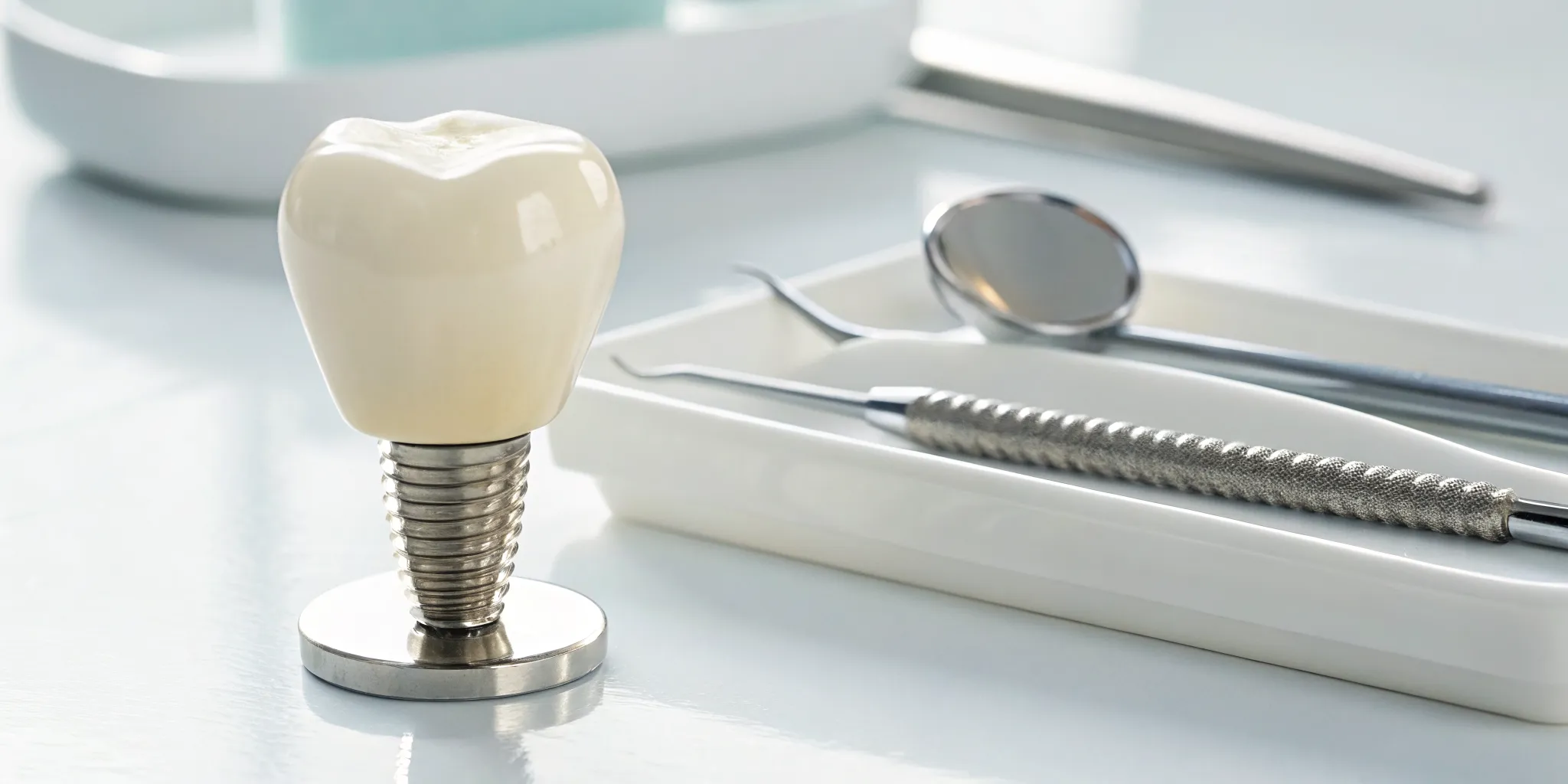
Dental implants are widely considered the gold standard for replacing a single missing tooth. This is because an implant is designed to function just like your natural tooth structure. It involves placing a small, biocompatible titanium post into your jawbone to replace the tooth root. Once the post has integrated with the bone, it’s topped with a custom-made crown that matches your other teeth perfectly. The result is a strong, stable, and permanent tooth that looks and feels completely natural. With proper care, including regular brushing, flossing, and dental checkups, your implant can last a lifetime.
A dental bridge is another reliable option for replacing one or more missing teeth in a row. As the name suggests, a bridge "bridges" the gap left by a lost tooth. It consists of an artificial tooth (or teeth) that is held in place by crowns attached to the healthy teeth on either side of the gap. This creates a seamless, functional restoration that allows you to chew and speak normally while preventing your remaining teeth from shifting out of place. While they are not as permanent as implants, well-cared-for bridges can last for many years, typically between five and fifteen.
If you are missing most or all of your teeth in your upper or lower jaw, the All-on-4® treatment concept is a life-changing solution. This advanced technique uses just four strategically placed dental implants to support a full, permanent arch of new teeth. Because it maximizes the use of available bone, it often eliminates the need for extensive bone grafting. As a Nobel Biocare All-on-4® Center of Excellence, we specialize in this efficient and effective protocol, which can give you a complete, non-removable smile that looks and feels incredible, often in just one day.
Dentures have come a long way and remain a popular and effective removable solution for tooth loss. A full denture replaces all the teeth in a jaw, while a partial denture is designed to fit around your remaining natural teeth. Today’s dentures are crafted from advanced materials to look more natural and fit more comfortably than ever before. They are often a more cost-effective initial option and can restore your ability to eat and speak with confidence. With proper maintenance, a set of dentures typically lasts between seven to ten years before needing replacement.
When a tooth is lost, the jawbone in that area can begin to shrink over time due to a lack of stimulation. If you wait too long to replace a tooth, you may not have enough healthy bone to securely place a dental implant. In these cases, a bone graft is a necessary first step. This procedure involves adding bone or bone-like material to your jaw to rebuild its structure and create a solid, stable foundation for the future implant. It’s a common and highly successful procedure that makes implant treatment possible for more people.
The best way to decide on a treatment plan is to have a thorough consultation with a dental specialist. During your visit, we will perform a comprehensive oral exam, take detailed 3D X-rays to assess your jawbone density, and discuss your personal goals and concerns. This allows us to present you with the most suitable options for your unique situation. Whether you need a single implant or a full-mouth reconstruction, we’ll create a personalized plan to restore your smile’s health, function, and beauty.
Losing a tooth can be a wake-up call, but it’s also an opportunity to protect the rest of your smile. The great news is that you have a lot of control over your future oral health. Preventing further tooth loss isn’t about complicated routines; it’s about building simple, consistent habits that keep your teeth and gums strong for life. By focusing on great daily care, partnering with your dental team, and making smart lifestyle choices, you can significantly lower your risk of facing another missing tooth.
Think of it as a partnership between you and your dentist. Your daily efforts at home remove harmful plaque, while regular professional cleanings and checkups catch potential issues before they become serious problems. This proactive approach is the foundation of a healthy smile and the best way to avoid the need for extensive treatments like a full-mouth reconstruction down the road. Let’s walk through the key steps you can take, starting today, to secure the future of your smile.
Your daily routine is your first line of defense against the two main causes of tooth loss: decay and gum disease. Brushing and flossing do more than just freshen your breath; they physically remove the sticky film of bacteria, known as plaque, that constantly forms on your teeth. When plaque isn't removed, it produces acids that eat away at tooth enamel and irritates your gums.
For the best results, brush your teeth twice a day for two minutes each time, using a soft-bristled toothbrush and fluoride toothpaste. Don’t forget to floss at least once a day to clean the tight spaces between your teeth and under the gumline where your toothbrush can’t reach. This simple commitment is the single most effective thing you can do to maintain your oral health.
Even the most diligent brushing and flossing can’t remove everything. Plaque that is left behind can harden into tartar, which can only be removed by a dental professional. That’s why regular checkups and cleanings are so important. During these visits, we can remove stubborn tartar buildup and polish your teeth, giving you a fresh start.
More importantly, these appointments allow us to spot early signs of trouble, like gum inflammation or tiny cavities, before they escalate. If you notice any warning signs between visits, such as persistent bad breath, bleeding gums, or a tooth that feels loose, don't wait. Schedule an appointment right away. Catching problems early is always easier and less invasive than treating them later.
Accidents and trauma can happen to anyone, but you can take steps to shield your teeth from predictable risks. If you play contact sports like soccer, basketball, or hockey, wearing a custom-fit mouthguard is essential. It acts as a cushion to absorb the force of an impact that could otherwise chip, break, or knock out a tooth.
Another common source of damage is chronic teeth grinding, or bruxism, which often occurs unconsciously during sleep. The immense pressure from grinding can wear down, crack, or loosen teeth over time. If you wake up with a sore jaw, headaches, or notice your teeth looking shorter, a custom nightguard can protect your smile while you sleep.
Your overall health and your oral health are deeply connected. The choices you make every day can either support a strong smile or contribute to its breakdown. One of the most significant risk factors for tooth loss is tobacco use. Smoking or using other tobacco products weakens your immune system, making it harder for your gums to fight off infection and heal.
Your diet also plays a huge role. Sugary foods and drinks feed the harmful bacteria in your mouth, fueling the acid attacks that cause cavities. By limiting your intake of sugar and avoiding tobacco, you can create a healthier environment in your mouth. A balanced diet and good general health are powerful tools for preventing future tooth loss.
Losing a tooth can feel overwhelming, and your first instinct might be to call your family dentist. That’s a great starting point. A general dentist can assess the immediate situation and discuss basic replacement options. However, some cases are more complex and benefit from the focused expertise of a specialist. If you want a solution that not only fills the gap but also restores full function and aesthetics for the long haul, seeing a specialist ensures you’re getting the highest level of care from someone who handles these challenges every day.
You should consider going directly to a specialist if your situation involves more than just a single, straightforward missing tooth. For example, if you have lost multiple teeth, have existing dental work that has failed, or have significant jawbone loss, a specialist is better equipped to handle the intricacies of your treatment. They have the advanced training to manage related issues like severe gum disease or a misaligned bite that has developed over time. If you notice persistent warning signs like bleeding gums or other loose teeth, it’s a clear signal that a more comprehensive evaluation is needed.
This is where a prosthodontist comes in. A
Is it really a big deal if I lose a tooth in the back where no one sees it? Yes, it’s a very big deal. Even if the gap isn’t visible, your oral health is immediately affected. The teeth next to the empty space will start to shift, which can disrupt your bite and cause alignment issues. More importantly, the jawbone in that area will begin to shrink from lack of use. This bone loss can weaken the support for your other teeth and eventually change your facial structure, creating a sunken appearance over time.
My tooth fell out, but it didn't hurt. Does that mean it wasn't a serious problem? Unfortunately, a lack of pain doesn't mean there isn't a problem. Many of the leading causes of adult tooth loss, especially advanced gum disease, are often painless in their early and middle stages. The infection quietly destroys the bone and ligaments holding your tooth in place until it becomes loose and falls out. Think of it as the foundation of a house crumbling without any obvious signs until a wall gives way.
I'm missing a tooth. How do I know if I need a dental implant or something else? Choosing the right replacement depends on your specific situation, including your bone health and long-term goals. A dental implant is often the best solution because it replaces the tooth root, preserves your jawbone, and functions just like a natural tooth. Other options, like a dental bridge, can also be a great choice to fill the space. The best way to know for sure is to have a consultation where we can assess your mouth and discuss which treatment will give you the most stable and lasting result.
I've already lost one tooth. Am I likely to lose more? Losing one tooth can increase your risk of losing others, but it is not inevitable. The key is to address the underlying cause of the first tooth loss. By committing to excellent daily hygiene, attending regular dental checkups, and making healthy lifestyle choices, you can protect your remaining teeth. Think of it as a wake-up call to be proactive about your oral health and partner with your dental team to keep the rest of your smile strong.
My general dentist can replace a tooth. Why would I need to see a specialist like a prosthodontist? While a general dentist can handle straightforward tooth replacements, a prosthodontist has years of advanced, specialized training focused entirely on restoring and replacing teeth. You should consider a specialist if your case is complex, involves multiple missing teeth, or if you have significant bone loss. Prosthodontists are the experts in full-mouth reconstructions and intricate cosmetic cases, ensuring your new smile is not only beautiful but also perfectly functional for the long term.
Patients in Hartford, CT, can experience unmatched quality and value by choosing board-certified doctors Avinash Bidra and Xiao Chun Li.
We are affiliated with the following prestigious organizations: