A natural-looking smile is rarely defined by one feature alone. Tooth proportions, shade, gum display, bite, facial balance, and the condition of existing teeth all influence whether a result looks harmonious and functions comfortably.
Request an individualized smile evaluation
Cosmetic dentistry can improve the appearance of teeth and gums through carefully selected treatments such as porcelain veneers, tooth-colored restorations, whitening, or a coordinated smile makeover. The right approach depends on an examination, your oral health, and the changes you want to make, not on a one-size-fits-all menu.
For patients in Glastonbury, Greater Hartford, and throughout Connecticut, thoughtful planning begins by separating an appearance concern from an underlying restorative or functional need. Understanding what these treatments can address is the first step toward choosing a conservative plan that fits your smile, health, and long-term goals.
Cosmetic dentistry is dental care that focuses on improving the appearance of the teeth and gums. It can address concerns such as tooth color, visible wear, uneven edges, spacing, proportions, or the way the smile fits with the rest of the face. The goal is not to make every smile look the same. Thoughtful planning aims to create an appearance that suits the patient's features, preferences, and existing teeth.
At Advanced Cosmetic and Implant Dentistry, the available approach may include porcelain veneers, smile makeovers, tooth-colored restorations, and related aesthetic treatments. You can learn more about the practice's cosmetic dentistry services, but treatment selection should follow an examination and individualized diagnostic planning.
A smile can look attractive in a photograph yet still require careful attention to comfort, stability, and oral health. Cosmetic planning should consider facial proportions, tooth shape and size, shade, gum display, bite, and the condition of existing teeth. These details influence whether a proposed change looks natural and functions comfortably in daily life.
Some treatments may improve appearance while also supporting tooth structure or function. For example, a tooth-colored restoration can be selected to blend with neighboring teeth while addressing a restorative need. In other cases, the most appropriate plan may focus first on health or structural concerns before aesthetic changes are considered. Cosmetic dentistry should complement sound dental care, not replace it.
The answer depends on the source of the concern and the condition of the teeth and gums. A person who wants a brighter smile may need a different approach from someone concerned about chipped edges, uneven tooth proportions, or several heavily restored teeth. A coordinated smile makeover may be considered when multiple appearance goals are connected. A more focused treatment may be reasonable when the concern is limited to one area.
Cosmetic dentistry is not automatically the right category for every smile concern. Missing, damaged, or heavily restored teeth may call for restorative or implant dentistry, especially when function is involved. In those situations, appearance can still be part of the plan, but it is considered alongside stability and long-term oral needs.
For patients in Glastonbury, Greater Hartford, and surrounding Connecticut communities, an evaluation can clarify which concerns are cosmetic, which are restorative, and how they may relate. The discussion should cover goals, alternatives, limitations, and sequencing before a treatment decision is made.
The right approach depends on what you want to change and what your teeth can support. A brighter smile may call for a different plan than a chipped tooth, uneven proportions, worn enamel, or several concerns appearing together. During planning, Advanced Cosmetic and Implant Dentistry considers facial proportions, tooth shape and size, color, gum display, bite, and the condition of existing teeth. That broader view helps keep appearance and function in the same conversation.
| Option | What it may address | Planning considerations |
|---|---|---|
| Professional whitening | Changes the color of natural teeth affected by certain surface or internal staining. | Whitening does not change the color of tooth-colored restorations. Temporary sensitivity or gum irritation can occur. |
| Dental bonding | May provide a conservative way to refine the appearance of a small chip, scratch, or localized shape concern. | Color matching, tooth condition, bite, and the size of the change all matter. An examination is needed to determine whether it is appropriate. |
| Porcelain veneers | Thin porcelain shells fitted over the front surfaces of natural teeth to conceal selected cosmetic concerns. | Shade, tooth proportions, gum display, enamel, bite, and the planned number of teeth should be evaluated together. |
| Dental crowns | Restore and cover a tooth when its structural needs extend beyond a purely cosmetic surface change. | The tooth's remaining structure, function, surrounding teeth, and overall restorative plan guide the design. |
| Coordinated smile makeover | Combines selected treatments when changes to several aspects of the smile need to be planned as one sequence. | The plan may coordinate color, shape, alignment, gum display, bite, and existing restorations rather than treating each concern in isolation. |
Professional teeth whitening can be considered when color is the primary concern. The American Dental Association notes that whitening can be effective for extrinsic and intrinsic staining. But only natural teeth respond; crowns, veneers, and other tooth-colored restorations do not become lighter. That distinction can affect the order of treatment when existing restorations are visible in the smile.
For a small, localized change, conservative dental bonding may be discussed. Veneers offer a different type of coverage. ACAID describes its porcelain veneers as shells less than 1 mm thick fitted over the front surfaces of natural teeth. You can review the porcelain veneers option as part of that conversation, without assuming it is the best choice for every tooth or smile.
A tooth that is weakened, heavily restored, or otherwise structurally compromised may require restorative planning rather than bonding or a veneer alone. In those situations, natural-looking dental crowns may be considered for both appearance and function. When multiple concerns overlap, a coordinated smile makeover can organize the sequence, materials, and shade decisions. Your clinician can explain the alternatives after reviewing your oral health, bite, and goals.
A natural-looking result is planned around the whole smile, not a single tooth in isolation. The process should connect appearance with oral health, tooth strength, comfort, and function. At Advanced Cosmetic and Implant Dentistry, treatment selection follows a clinical examination and diagnostic planning rather than an assumption that one procedure fits every patient.

Cosmetic dentistry can be appropriate for adults who want to improve aspects of their smile, but candidacy is not determined by appearance alone. A thoughtful plan considers whether the teeth and gums can support the proposed treatment. How the bite functions, and whether the desired change can be achieved while preserving healthy tooth structure. The right option may be a small adjustment, a restorative procedure, or a coordinated plan rather than the treatment a patient initially expects.
Before discussing veneers, bonding, whitening, or another aesthetic option, a clinician needs to evaluate the condition of the mouth. Active decay, gum disease, untreated infection, or other problems may need attention first. The amount and quality of remaining enamel and tooth structure also matter. A tooth with adequate structure may be suited to a conservative cosmetic approach, while a weakened, cracked, or extensively restored tooth may require more protective restorative care.
Conservative treatment is an important principle in aesthetic dentistry. Academic literature describes preserving as much tooth structure as feasible while meeting restorative and aesthetic needs, including through appropriate adhesive techniques. Material and technique selection should also account for aesthetic, structural, biologic, and mechanical requirements. These considerations help keep the plan focused on the health and function of each tooth, not just its visible surface.
Gum condition and gum display can influence how natural a result looks. Tooth proportions, shape, size, color, facial proportions, gum display, bite, and the condition of existing teeth all belong in the planning conversation. A restoration that looks attractive in isolation may not be suitable if it interferes with the bite or does not fit the surrounding teeth and gumline.
Restorability is another central question. Patients with missing, damaged, or heavily restored teeth may need restorative or implant dentistry to address function and stability before, or instead of, a purely cosmetic procedure. This does not mean an aesthetic goal has to be abandoned. It means the sequence should address the foundation first. A comprehensive plan may combine functional restoration with carefully selected cosmetic details.
A candidate should be prepared to discuss what they want to change, what they want to preserve, and what compromises may be involved. Shade, shape, symmetry, maintenance, and the effect of existing restorations all deserve attention. Only an examination and diagnostic planning can determine whether a particular treatment is appropriate. At Advanced Cosmetic and Implant Dentistry, digital X-rays, 3D imaging, and intraoral scanning may support that evaluation, but technology does not replace clinical judgment or an individualized conversation.
For patients in Glastonbury, Greater Hartford, and surrounding Connecticut communities, an evaluation can clarify whether cosmetic dentistry. Restorative care, implant dentistry, or a staged combination best fits the smile and its long-term needs.
A thoughtful cosmetic dentistry plan is not defined by the smallest immediate intervention. It is defined by how well the treatment matches your oral health, appearance goals, bite, schedule, and plans for caring for the result. Two smiles that seem to have a similar concern may need very different approaches because the condition of the teeth, gums, existing restorations, and supporting structures can differ.
Start by asking what the treatment is meant to accomplish. A limited concern may be addressed with a focused procedure, while several concerns involving tooth shape, color, wear, or function may call for coordinated planning. If teeth are damaged, heavily restored, or missing, a purely cosmetic procedure may not address the underlying need. In those situations, full-mouth treatment planning may be considered to coordinate restorative and cosmetic care.
Sequencing also matters. A clinician may recommend addressing oral health or structural concerns before selecting an aesthetic material. The order of care can affect the fit, appearance, function, and ability to evaluate each stage. Material choices should be discussed in that context, rather than selected only by appearance. The appropriate option depends on the tooth, the amount of remaining structure, the bite, and the intended role of the restoration.
Timing should be realistic. Treatment may involve records, planning, preparation, laboratory coordination, appointments, and review. An in-house laboratory can support close coordination between clinical and restoration-design steps, but each patient's schedule remains individualized. Rushing a decision to meet a short-term deadline may limit the time available to assess details that contribute to a natural-looking result.
Maintenance begins with consistent home hygiene and regular professional care. Brushing, cleaning between teeth, and attending recommended follow-up visits help the clinical team monitor the teeth, gums, bite, and restorations. These habits do not make a restoration immune to change, but they support the health of the structures around it and help identify concerns early.
Daily habits should be part of the conversation before treatment. Nail biting, chewing hard objects, using teeth as tools, or clenching and grinding may place extra stress on teeth and restorations. Your clinician can discuss practical protection and whether your bite or habits should influence the treatment sequence. A plan that fits your life is more useful than one that looks appealing on paper but is difficult to maintain.
For patients in Glastonbury, Greater Hartford, and throughout Connecticut, the most responsible approach is to discuss the full scope. Including alternatives, timing, material choices, maintenance, and follow-up before committing to care. That conversation helps connect today's aesthetic goals with the long-term health and function of your smile.
Some cosmetic dentistry cases involve more than changing the visible shade or shape of a few teeth. When several teeth need attention, or when appearance is closely connected to wear, missing tooth structure, restorations. Or the bite, planning should account for how the smile functions as well as how it looks. A prosthodontist brings training focused on the restoration and replacement of teeth, which can be valuable when cosmetic decisions must work within a broader restorative plan.
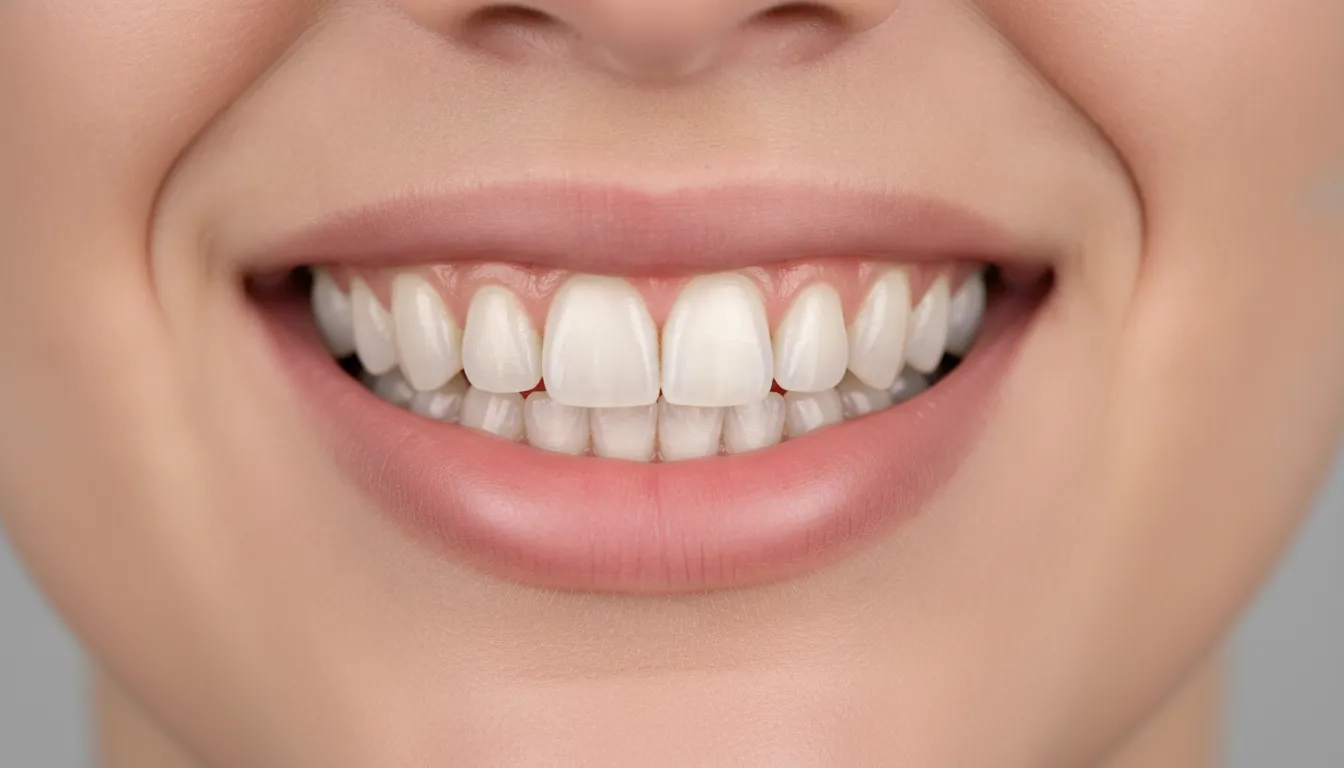
Occlusion is the way the upper and lower teeth meet and move together. It can influence how forces are distributed across restorations and natural teeth. For that reason, a complex plan may consider tooth position, chewing patterns, existing wear. Gum display, facial proportions, and the condition of each tooth rather than evaluating photographs alone.
Material selection is another connected decision. A thin porcelain veneer may be appropriate for one tooth in a carefully selected situation. While a tooth with substantial damage or an existing large restoration may call for a different restorative approach. The goal is not to choose the most extensive treatment. It is to match the material and design to the tooth, the bite, the patient's goals, and the expected demands on the restoration.
This broader perspective can also help clarify the difference between veneers versus a smile makeover. A veneer may address a specific visible surface, while a smile makeover may involve a coordinated sequence across multiple teeth. The appropriate scope depends on an individualized examination and treatment plan.
Advanced Cosmetic and Implant Dentistry uses digital X-rays, 3D imaging, and intraoral scanning to support diagnosis and treatment planning. These records can help the team evaluate structures that are not visible in a standard smile photograph. The clinician can assess the relationship between the teeth and surrounding anatomy, and communicate design decisions more clearly. Digital tools support clinical judgment; they do not replace an examination or guarantee a particular result.
Coordination between the clinical and laboratory stages also matters when restorations need careful customization. ACAID has an in-house laboratory for custom restoration design and close coordination between those steps. That arrangement can support communication about contours, shade, fit, and functional details as the plan develops. While allowing the clinical team to review whether the proposed design suits the patient's needs.
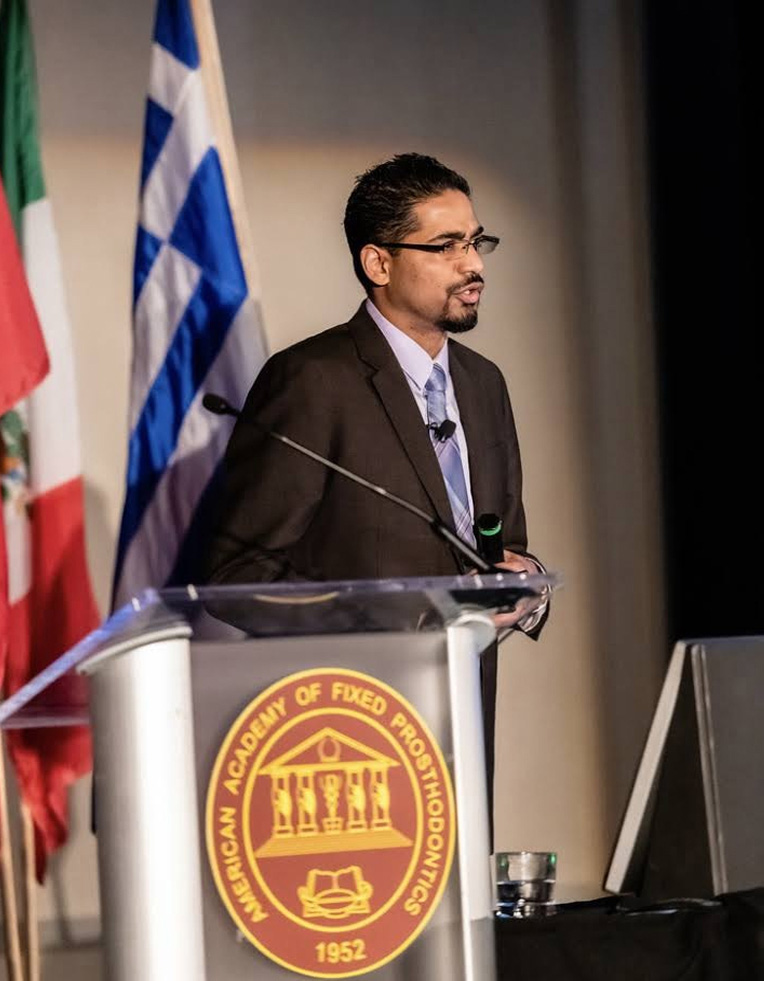
At ACAID, Dr. Xiao Chun Li is a board-certified prosthodontist who specializes in cosmetic cases, smile makeovers, and digital dentistry. Dr. Avinash S. Bidra is board-certified in prosthodontics and maxillofacial prosthodontics and is a Fellow of the American College of Prosthodontists. For patients in Glastonbury, Greater Hartford, and surrounding Connecticut communities, a prosthodontist-led evaluation can provide a structured way to discuss appearance, function, materials, and sequencing before treatment begins.
Discuss your cosmetic dentistry goals with the Glastonbury prosthodontic team
Cosmetic dentistry includes treatments planned to improve the appearance of teeth, gums, or the smile, such as whitening, tooth-colored restorations, bonding, veneers, and smile makeovers. The right option depends on your tooth condition, bite, proportions, and goals, so an examination should come before treatment selection.
All dentists receive training in oral health. While cosmetic dentistry focuses specifically on appearance-related goals and may involve advanced planning for tooth shape, color, gum display, and facial proportions. For complex cases, a prosthodontist can coordinate appearance with tooth structure, bite, and long-term function.
Coverage depends on your specific dental plan and the clinical purpose of the treatment. Procedures performed primarily to change appearance may have limited or no coverage, while treatment that restores damaged teeth or function may be handled differently. Ask your insurer and dental team to review benefits before beginning care.
Many general dentists provide cosmetic treatments. A prosthodontist is a dentist with specialty training in restoring and replacing teeth, which can be useful when cosmetic goals overlap with damaged, missing, or heavily restored teeth. Advanced Cosmetic and Implant Dentistry provides prosthodontist-led cosmetic and restorative planning in Glastonbury.
A natural-looking smile begins with a plan that considers your goals, oral health, facial features, and how treatment should function over time. An individualized evaluation can help clarify which cosmetic options may fit, whether additional restorative care should come first, and how treatment can be sequenced thoughtfully. To discuss your goals with Advanced Cosmetic and Implant Dentistry in Glastonbury, contact Advanced Cosmetic and Implant Dentistry.
Patients in Hartford, CT, can experience unmatched quality and value by choosing board-certified doctors Avinash Bidra and Xiao Chun Li.
We are affiliated with the following prestigious organizations: